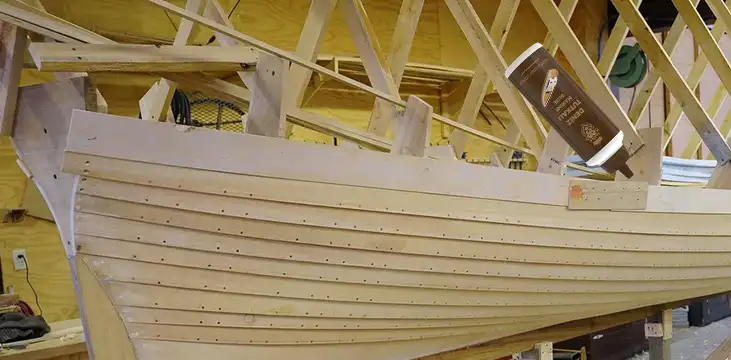
The Secrets to Making Wooden Surfaces Last Longer with Marine Glue
Marine glue is one of the most reliable solutions for making wood surfaces strong and long-lasting. With proper application and some tips, your wood projects will be resistant to water, moisture, and external elements.
1. Surface Preparation
Ensure the wood surface is clean, dry, and smooth. Light sanding will improve glue adhesion and, if there are small cracks in the surface, the marine glue's gap-filling properties will help to smooth them out.
2. Use the Correct Amount of Glue
Applying in a thin layer ensures even adhesion to the surface. Excess product can cause overflow and affect drying time.
3. Secure the parts.
Align the wooden pieces and secure them with clamps or a clamping device. Holding them in place for the first 20-30 minutes is critical for a strong bond.
4. Pay attention to the curing time.
Although marine glue adheres quickly to surfaces, it requires a 24-hour waiting period for full durability. It's important not to move the parts during this time.
5. Water and Moisture Resistant Application
- PU-based marine glue may adhere better if the wood is slightly damp.
- In outdoor projects, take protective measures against UV rays and rain.
- Its gap-filling properties seal cracks, increasing durability.
6. Security Measures
Wear gloves and goggles as it contains isocyanate. If it comes into contact with skin or eyes, rinse thoroughly with water and seek medical attention if necessary.
Conclusion
Marine glue , when applied correctly, makes wood surfaces long-lasting and durable. Surface preparation, quantity control, fastening, and safety precautions are key to professional results.
The information in this text may vary from time to time depending on the manufacturer. Always check the product label.