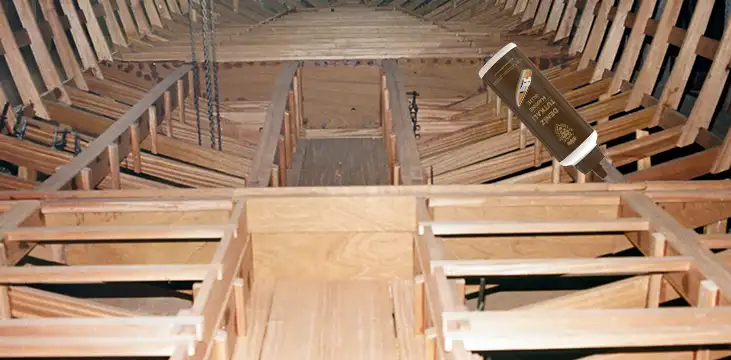
Marine Glue or Epoxy? Differences, Advantages, and Which to Use in Which Situation
Marine glue and epoxy are frequently preferred adhesives for boat and wood repairs. Both have different advantages, and choosing the right one ensures a long-lasting and robust project. Here are the differences and their applications:
Marine Glue
- Type: Polyurethane-based, Class D4
- Advantages: Water and moisture resistant, gap-filling properties, flexible and provides strong adhesion.
- Applications: Suitable for wood, metal, concrete, and stone surfaces; for both indoor and outdoor projects.
- Application: Apply in a single layer or thinly, secure with a clamp, and leave to cure for 24 hours.
Epoxy
- Type: Two-component resin system
- Advantages: Hard and durable, chemical and water resistant, provides strong adhesion on large surfaces.
- Applications: Boat hulls, major structural repairs, metal and fiberglass surfaces.
- Application: The components must be mixed in the correct proportions; curing time varies depending on the product type.
Which option should be preferred in which situation?
The type of project and surface characteristics determine the choice:
- Marine glue is ideal for wood and minor repairs.
- Epoxy is more suitable for major structural repairs or on fiberglass/metal surfaces.
- Marine glue is advantageous for minor repairs that are resistant to water and outdoor conditions.
- Epoxy is preferred in situations where chemical resistance and hardness are required.
Conclusion
Both marine adhesives and epoxy adhesives provide strong adhesion in projects, but their application areas and properties differ. Choosing the right product according to the project type is key to long-lasting and safe results.
The information in this text may vary from time to time depending on the manufacturer. Always check the product label.